
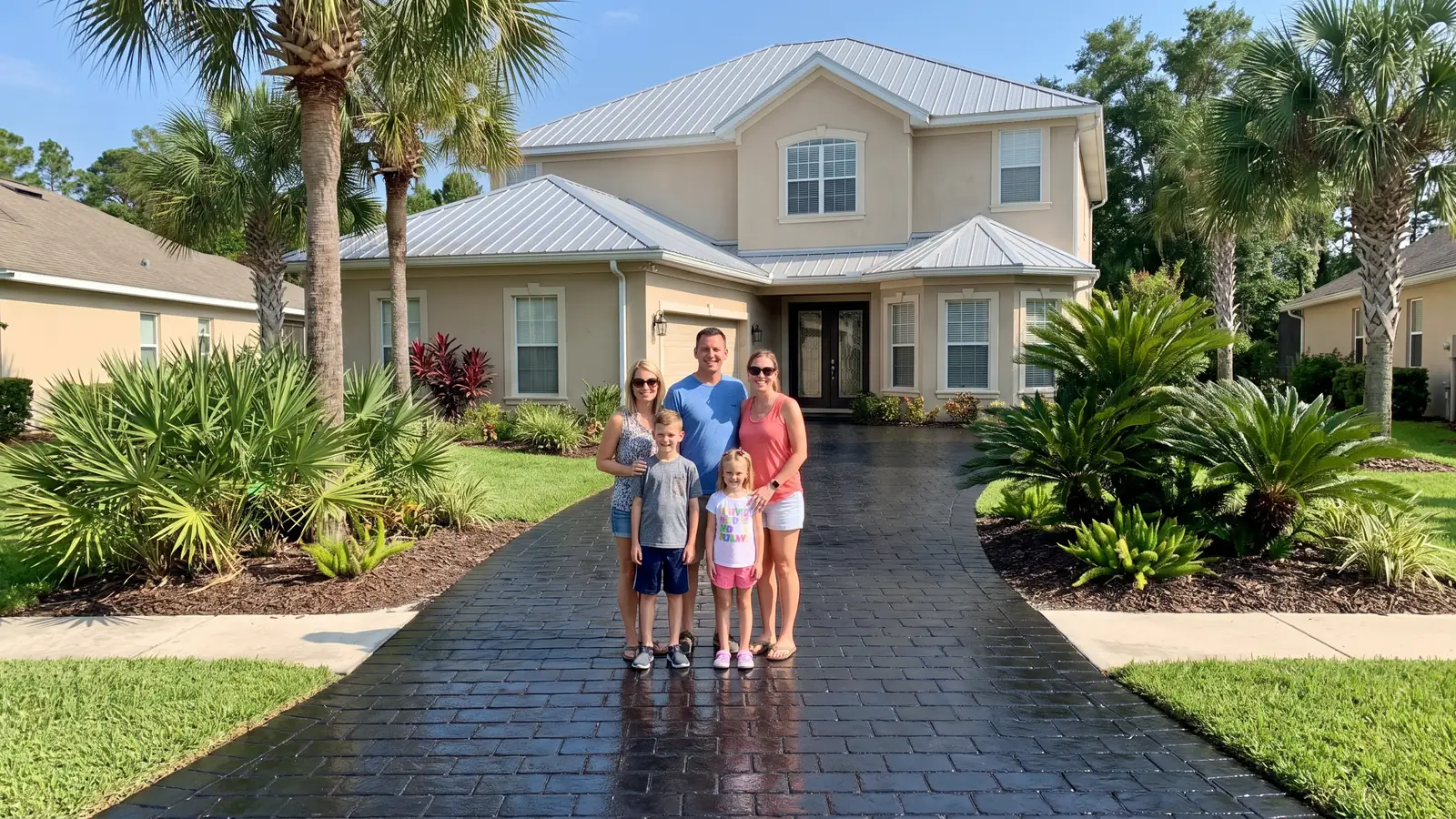
Paver sealing for San Pablo homes
Paver Sealing in San Pablo, FL
San Pablo sits beside salt marsh and the Intracoastal, so call (904) 872-8339 for a free paver sealing estimate.
- Brings out deeper paver color
- Fresh joint sand helps lock pavers in place
- Gives weeds less room to grow
- Makes the surface easier to keep clean
- Free estimate, no obligation
Request a Free Estimate
Free, no obligation.
Fast, careful paver sealing in San Pablo
Paver sealing is available across San Pablo, from the gated streets of Queens Harbour to the older blocks near San Pablo Road. Pool decks, driveways and walkways get cleaned, re-sanded and sealed by a local contractor, and your estimate is free. Use the link to ask for a free estimate, and a reply arrives within 1 business day, usually much sooner.
Say your driveway has turned a flat gray, with a dark film along the edge and weeds in the joints. Once it is washed, filled with sand and sealed, the same drive shows its real color again from the street. Your pool deck and front walk can get the same treatment. If you would like to ask a question first, call (904) 872-8339.
Why hire a local paver sealing contractor in San Pablo?
San Pablo homeowners often hire a local contractor because salt marsh, older pavers and gated communities all change the plan. To see which of those applies to you, ask for a free estimate.
Look first, then quote
The contractor inspects your San Pablo pavers at no charge. You get a price before you decide anything.
A range to hold bids against
Northeast Florida companies commonly publish $1.75 to $3.25 per square foot. Compare every San Pablo quote to that.
Your choice of finish
Pick matte or wet look. The wet look shows scuffs sooner, so think about how the surface gets used.
No obligation
A San Pablo estimate does not commit you to anything. You can compare, ask your association and decide later.
Get Your Free Estimate in San Pablo
Tell us about your pavers in San Pablo.
Free, no obligation
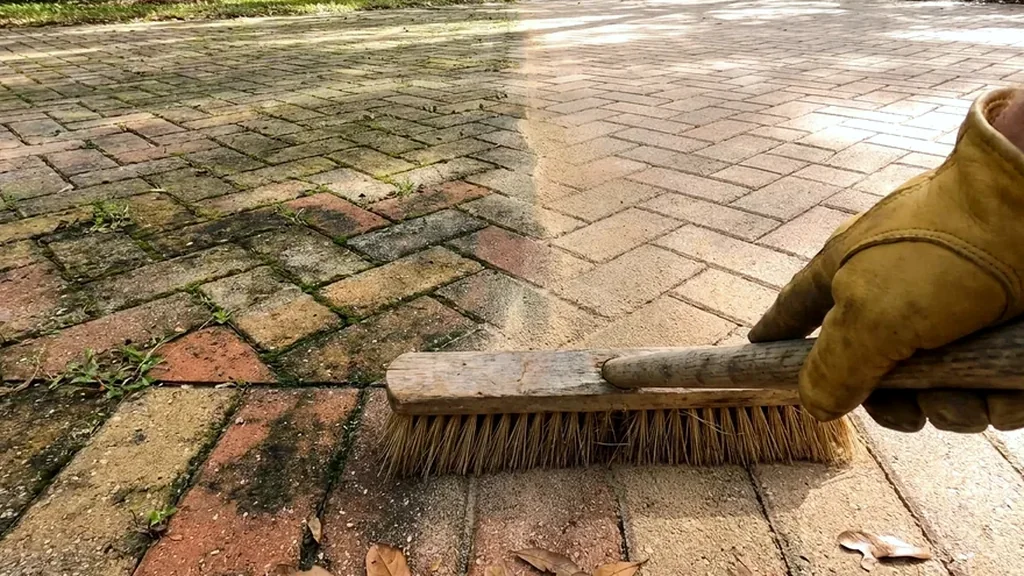
What paver problems show up most in San Pablo?
Salt marsh next door
Castaway Island Preserve covers 311 acres of salt marsh estuary on the west bank of the Intracoastal, with neighborhoods around it. UF extension says homes within a couple of miles of salt water have likely seen salt spray damage on plants. Pavers near the marsh may carry a salty film too. A wash clears it, and then the coat has clean ground to bond to. Plan the wash and the coat close together, so no new film collects between the two steps. Ground this close to the coast is sandy, so edges and low corners may need more fill. The preserve opened in 2004 on land the city bought in 2000, and the neighborhoods around it share that marsh edge.
Pavers from the 1970s to the 1990s
Per NeighborhoodScout, the bulk of San Pablo homes date from 1970 through 1999. Queens Harbour opened in 1988. Pavers added over those decades have often seen several owners and several coats, or none at all. The two sealer types do not bond, so the contractor figures out what is on the surface before choosing a product. A brick walk, a concrete drive and a travertine pool deck can all sit on one lot, each with its own history. If you cannot tell whether a coat was ever applied, say so. The contractor can still work it out. Queens Harbour opened in 1988, and nearby Intracoastal West streets grew from the 1970s on. Some pavers have likely passed through more than one owner.
Joints washed out by summer storms
Jacksonville sees about 52 inches of rain a year, and most of it falls between May and September. Safe Touch notes that summer storms wash out joints, and that sealing over empty joints is how weeds return. Lost joint sand widens the gaps and lets soil in. That is why new sand goes in before every coat, not after. Edges and low corners lose sand first, so point those out at the first visit. A heavy downpour in August can undo a good joint in one afternoon. Beach Boulevard crosses the Intracoastal on the B.B. McCormick Bridge, so that whole corridor sits close to salt water.
Moisture trapped under the coat
Sealer needs a dry surface or it can turn milky, Safe Touch warns. Sealer maker Surebond asks for about 24 hours of dry time after cleaning or rain. On a shaded San Pablo patio that can stretch past a day. Patience on the front end keeps a cloudy finish from showing up later. Ask how long the surface will be given to dry, and what the plan is if rain comes the night before. A milky finish is hard to fix after the fact, and it often means a second wash. Coastal soils are sandy and high in pH, which is why sand is always replaced after the wash.
Gates and association rules
Queens Harbour is a 24-hour gated community, and many San Pablo streets belong to an association. A homeowners association may judge changes to appearance only as far as its documents say or imply, under Florida law. Ask whether a tinted or wet-look sealer needs a form. A quick answer before booking beats a redo afterward. If your street has no association, the choice is yours alone. A shorter answer from your association is better than a surprise letter after the work. Not every San Pablo street has an association, so start by finding out who sets the rules for yours.
Is a Queens Harbour pool deck different from pavers on an older San Pablo street?
It can be, because age and rules differ. Queens Harbour was planned for about 950 home sites, on the Intracoastal, on a deep water lagoon, along the golf course or under oaks. The gate and the sports complex make it a managed community. Tell the contractor if you are inside it when you ask for a free estimate.
Intracoastal West means the blocks around San Pablo Road, Hodges Boulevard and Kernan Boulevard, between the Southside and the Waterway. Most homes there went up between 1970 and 1999. That puts many pavers at an age where the first coat is gone. Call (904) 872-8339 with a rough date for when your pavers were laid.
Some streets have newer homes, built from 2000 on. Newer pavers may have never been sealed, which makes them simpler than ones with an unknown old coat. Ask your association about finish rules before the date is set, since Florida law ties its power to what its documents say. Then ask for a free estimate.
What does paver sealing cost in San Pablo?
For cleaning, sanding and sealing, published Northeast Florida prices fall between $1.75 and $3.25 per square foot. In San Pablo, salt film, lost sand and an old coat that must be stripped decide where a job lands. Pool decks and long driveways add area, so the total grows with them. To price your own pavers, ask for a free estimate.
Photos help a first estimate along. Send the driveway, the pool deck and any spot where weeds are coming up. Tight courtyards and screened lanais may take more hand work than an open drive. Call (904) 872-8339, and the contractor can tell you what to expect for your layout.
| Paved area | Typical example | Clean, sand and seal |
|---|---|---|
| 300 sq ft | Small patio or walkway | $525 to $975 |
| 600 sq ft | Two car driveway | $1,050 to $1,950 |
| 1,000 sq ft | Large driveway or pool deck | $1,750 to $3,250 |
| 1,500 sq ft | Driveway plus pool deck | $2,625 to $4,875 |
Math based on the $1.75 to $3.25 per square foot that Northeast Florida paver companies publish. Your contractor sets the actual price after seeing the surface. Repairs, leveling and stripping failed sealer are usually extra.
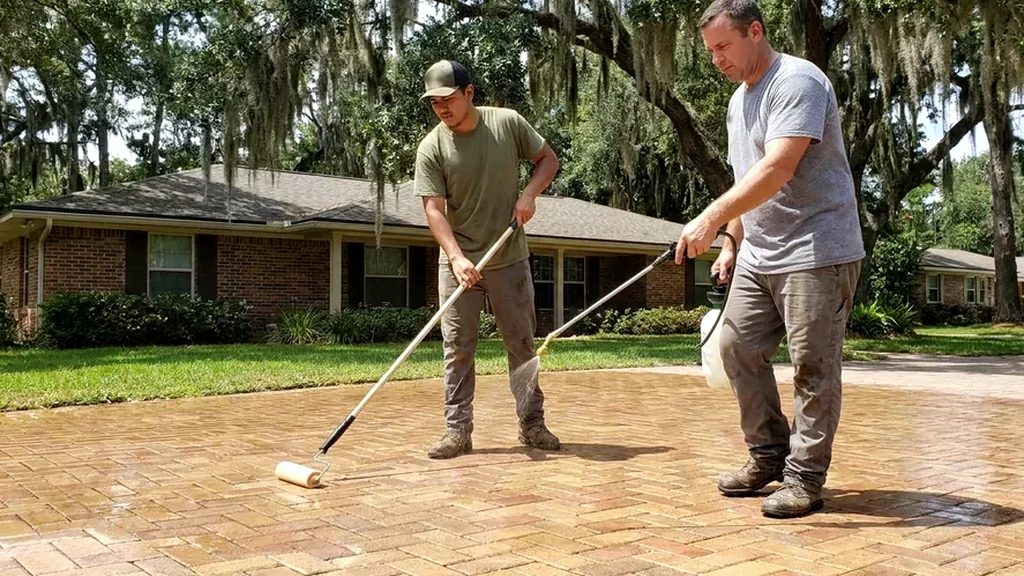
How does a paver sealing job work in San Pablo?
Look at the surface and the old coat
The contractor walks your pavers to see how worn the old coat is and where water collects. One test is simple. Water that beads means the old sealer still works, and water that soaks in and darkens the paver means it is done. Spots that have sunk or lifted get flagged for repair. Tell the contractor what you remember about earlier sealing. Photos of the driveway, pool deck and walkway help the contractor plan the visit. You will also hear what the contractor expects the job to cost before any work begins. Mayo Clinic's 600-acre campus sits at San Pablo Road and Butler Boulevard, so the contractor plans arrival around that busy corner.
Wash off salt, mildew and grime
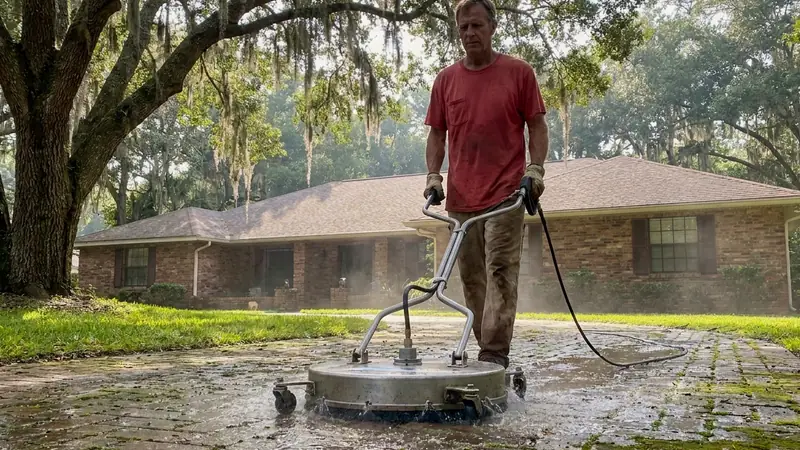
Cleaning removes the green and black film that builds in shade, plus any salt left near the marsh side. Rust lines from irrigation get attention too, since most Florida well water is high in iron. Rinse water is kept off screens and plantings. The surface should end up bare and clean before anything else goes on. Say if you have brick, concrete or travertine, because each takes a different amount of force. Pool decks get extra care so rinse water stays out of the pool, as one First Coast company says of its own work. Salt and mildew come off in the same pass, but heavy marks may take a second look.
Put new sand in every joint
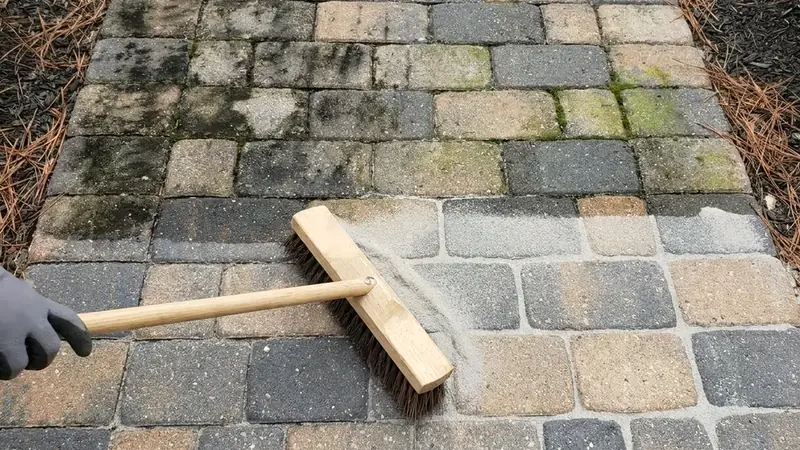
Joint sand leaves with the wash, so new sand is needed before the coat. Safe Touch warns that sealing over empty joints is how weeds come back. The joints get filled, and then the whole surface is swept. Joints that were low for years may need extra sand. Weeds in the joints are removed first, so the new sand sits on clean ground. Expect the contractor to ask whether any area has trees or roots close by that could shift the pavers again. A pool deck by the water may need sand work along the edge, where rain and splash both do their damage.
Wait for a fully dry surface
Jacksonville rain arrives in brief, intense downpours, and the wettest months run May to September. Sealer applied over a damp surface can turn milky. A careful contractor checks the forecast and the shade, then waits. Expect the day to move if a storm rolls in. Irrigation stays off during that time, so sprinklers do not wet the surface. If your lot is shaded, the contractor may schedule the wettest areas for last. November through April is Jacksonville's driest stretch, which makes those months easier for sealing.
Apply the coat and keep off it
The coat goes on by sprayer and is then back-rolled for evenness. You choose matte or wet look, and the wet look shows scuffs sooner. Walking is usually fine after a few hours, and cars should stay off for roughly a day. Coats are commonly quoted to last two to five years. Ask the contractor to write the product and finish on the receipt, so the next coat matches. A matte coat is quieter on a driveway, and a wet look is bolder on a pool deck. Have the product name and finish put in writing, which lets the next coat match.
Complete paver services in San Pablo
A San Pablo job has four parts. Salt film and mildew come off first, joints are refilled with sand, the surface dries, and sealer goes on last. That order keeps dirt out from under the coat. To ask how long each part takes on your lot, call (904) 872-8339.
Pool decks, driveways and entry walks each see different wear. Decks take splash and bare feet, drives take tires and heat, and walks near the street collect dust. A good plan treats each one on its own terms. When you ask for a free estimate, list the areas you want done.
Sealer comes in water-based and solvent-based types, and the two cannot be layered. Each can be matte or wet look. A wet look deepens color but shows scuffs sooner, so many owners pick matte for the driveway. Call (904) 872-8339 to talk through the finish for your pool deck.
Rain decides the calendar. Summer storms are short and hard, and hurricane season runs from June through November. A date in a dry week works best, with a spare day for delays, since a storm the night before can reset the whole job. To find a window that fits your week, ask for a free estimate.
Questions to ask before you hire
- Do you re-sand the joints once the pavers are dry?
- Who do I call if I see a problem after the job is done?
- Which sealer brand and finish will go on my pavers, and why that one?
- How do you protect my irrigation heads and landscape lighting?
- What does the written estimate list, and how long is it good for?
- How do you handle the afternoon rain we get in summer, and how do you reschedule?
- What do you do about the white haze that comes up on some pavers?
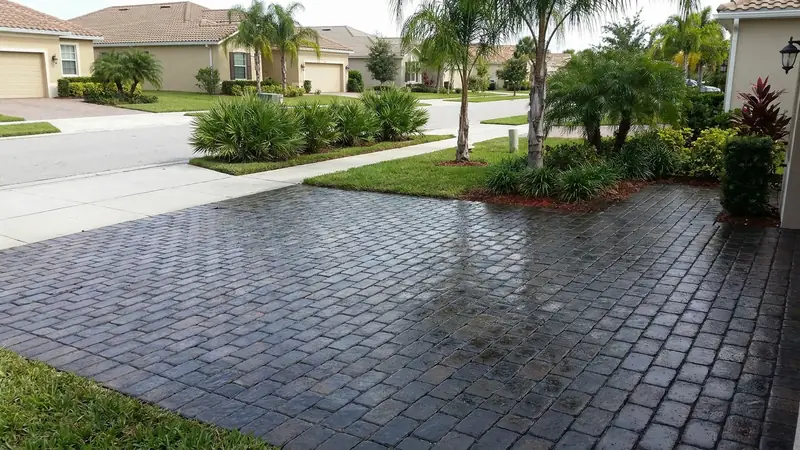
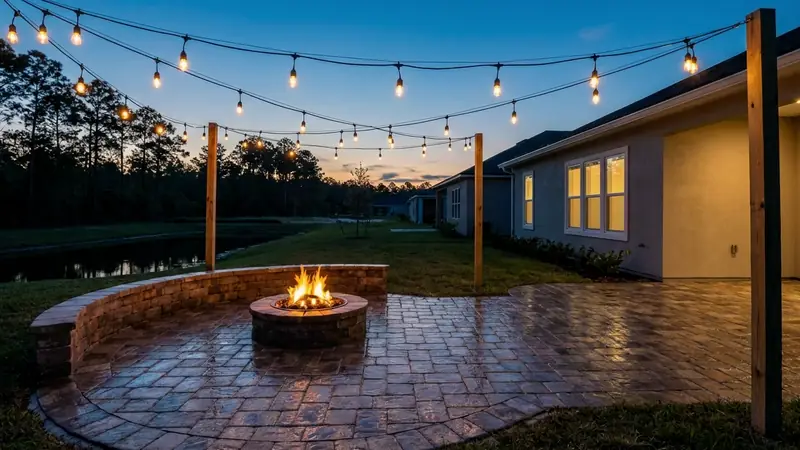
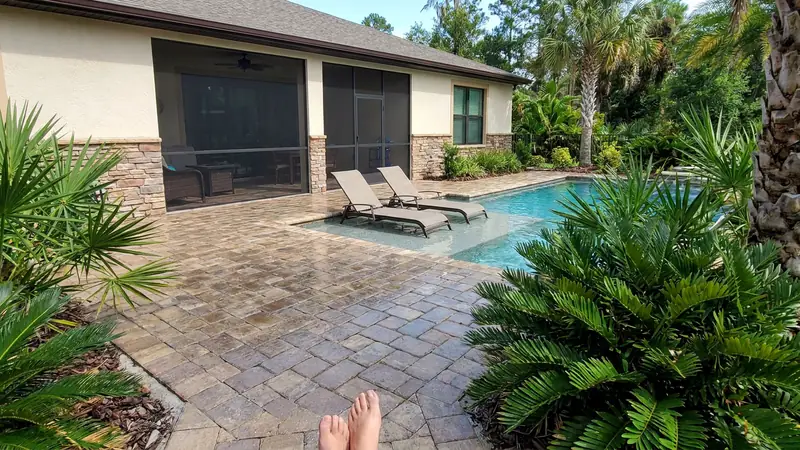
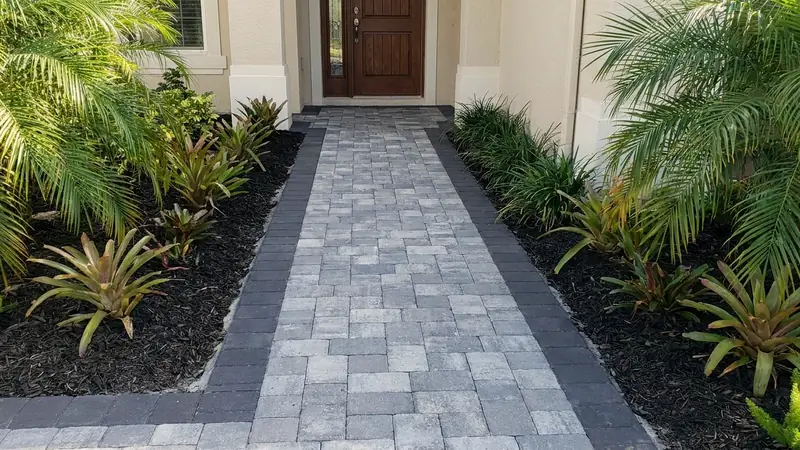
What do sealed pavers look like around San Pablo?
Why local matters in San Pablo
A contractor who works San Pablo knows the Intracoastal side of Jacksonville and how its damp air plays out on pavers. Salt film, slow drying and sand loss all come up in the first visit. A contractor based farther inland may skip that question. Call (904) 872-8339 to reach a contractor who works around San Pablo.
Local work also means knowing the roads. San Pablo Road, Butler Boulevard and Beach Boulevard carry steady traffic near the Mayo Clinic campus and the Intracoastal bridges. A local contractor schedules the crew's arrival around that. When you ask for a free estimate, ask what a work day on your street would involve.
Then there is the mix of communities. Queens Harbour is gated, Intracoastal West is a patchwork of streets, and newer pockets sit beside older ones. A contractor who knows these places will ask about your guidelines early, so if you are not sure which rules cover you, ask for a free estimate and ask.
How do I tell a contractor where I live in San Pablo?
Give the nearest landmark and your cross street, since San Pablo covers a long stretch of road. Castaway Island Preserve sits at 2921 San Pablo Road South and has a 240-foot boardwalk. Mayo Clinic Florida is at 4500 San Pablo Road, near Butler Boulevard. Near either, call (904) 872-8339.
Beach Boulevard was dedicated in 1949 together with the B.B. McCormick Bridge over the Intracoastal Waterway. The Jacksonville Beaches sit on San Pablo Island, which was a peninsula until a channel dug in 1912 joined the San Pablo and Tolomato rivers. If you live near the bridge or the water, ask for a free estimate.
Frequently Asked Questions
Is it good to seal pavers in San Pablo?
Often yes. iWashJax, a Jacksonville company, says a sealed surface keeps its joint sand where it belongs, away from roots and ants. Upkeep is the trade, because a coat wears down and has to be renewed. Near the marsh, check the surface a little sooner.
Why is paver sealing so expensive?
Washing, new joint sand, a dry surface and the coat itself make up the work. Stripping a failed old coat adds cost. A San Pablo estimate that lists each step lets you compare bids fairly.
Which paver sealer works for San Pablo homes?
Contractors pick between water-based and solvent-based sealer, and an old coat can decide it. A solvent-based coat on the surface limits you to the same type of product. Matte and wet look are the finishes. Ask the contractor to write the product name on your estimate.
Should I sand my pavers before sealing them in San Pablo?
Yes, and the contractor handles it. Joint sand leaves with the wash, so new sand is needed before the coat. Safe Touch notes that sealing over empty joints is how weeds return. Expect fresh sand in the job, not as an extra.
What is the average cost to seal pavers in San Pablo?
Cleaned, sanded and sealed, the usual published price in Northeast Florida is $1.75 to $3.25 per square foot. Rate times area gives your total. Pavers with a failed old coat cost more because it must be stripped first. Ask for the area, measured, in writing.
What are the downsides of sealing pavers in San Pablo?
Upkeep and timing, mostly. Plan to recoat in a few years, and know that wet look scuffs show up faster than matte. A summer storm can push your date back, since sealer needs a dry surface.
Does salt air change how often San Pablo pavers need sealing?
It may. Homes near salt water may land toward the short end of the two to five years that coats are said to last. People who live within a couple of miles of salt water have likely seen salt spray harm plants, says University of Florida extension. A look at your surface settles it.
Do I need approval to seal pavers in Queens Harbour or another gated community?
Start with your association papers. Florida law limits an association to reviewing how a change looks, and only as far as its declaration or guidelines allow. Gated communities such as Queens Harbour may treat a tinted coat differently from a clear one. Get the answer before a date is set.
Ready for a Free Estimate in San Pablo?
Call (904) 872-8339 and tell us about your pavers.
Free, no obligation